
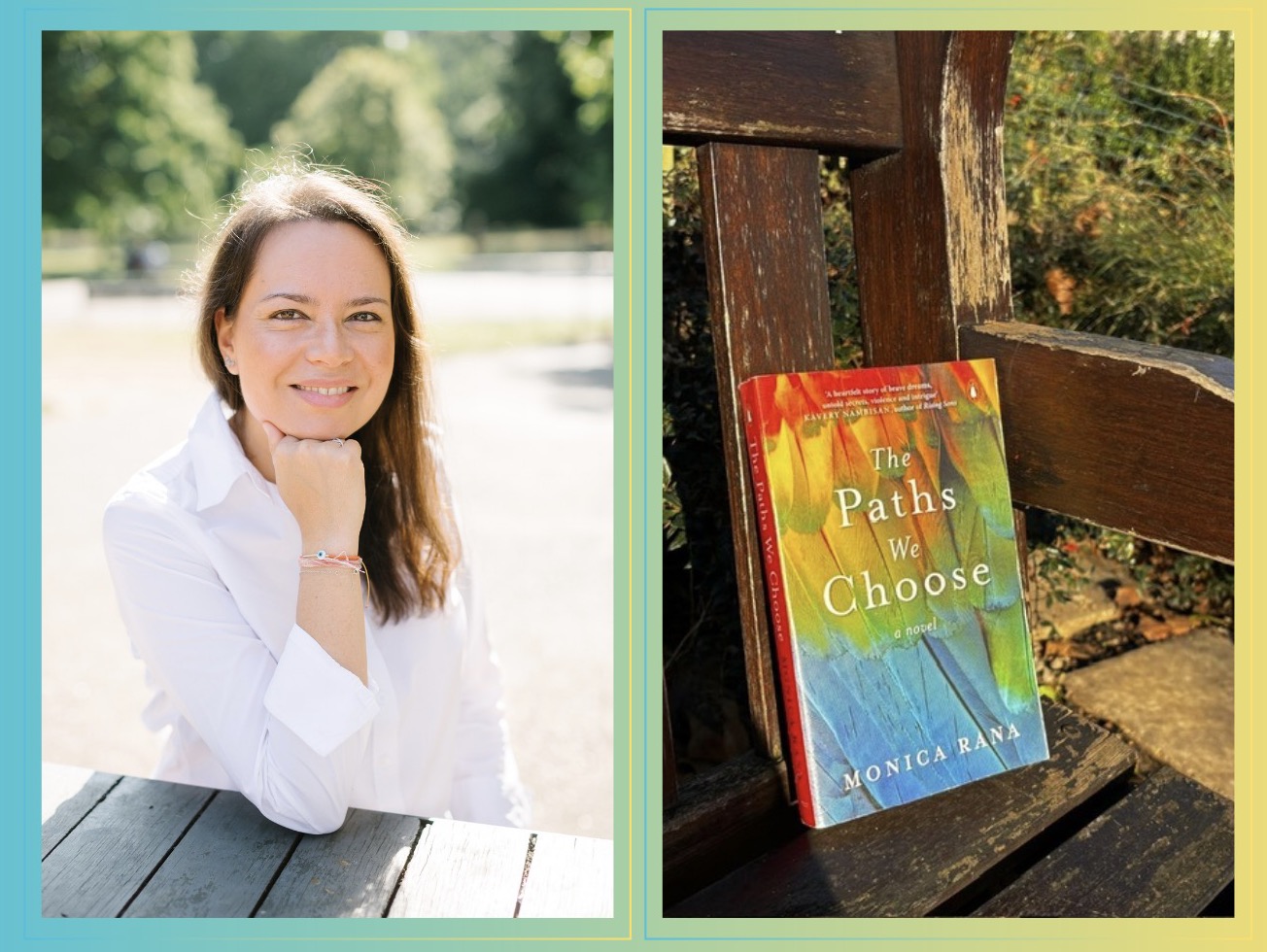
Monica Rana’s Book “The Paths That We Choose” is now a global entity!
When I sat down with the Author to speak to her at Visionary Voices at The Think Pot, it was with a sense that readers were about to discover not just the mind behind a debut novel. Rather, the lived experiences, discipline and worldview that shaped it. Monica’s answers were candid, reflective, rich with detail and grounded in real life. And I was looking for those very elements that make her work resonate.
Coming to her interview, we spoke part by part, to find out the real Monica and her journey beyond this intense piece. So let’s begin, uncovering Moncia’s Journey with her debut Novel, that too with Penguin Random House India
Background and Early Life
Mahima: Let’s begin with the basics. Who are you, and what shaped your early life before writing?
Monica: My full name is Monica Rana. I grew up in Kathmandu, Nepal, before going to college in the U.S., and later relocating to London where I worked in finance. Now I am in my early forties, with an education in economics and finance, and a lifelong passion for writing.
I noted that the imprint of Kathmandu is unmistakable in the novel — not as a caricature, but as a deeply remembered backdrop. “They say a first novel is autobiographical to some degree,”
Monica continued, “and for me, incorporating the country I was born in was somewhat inevitable.”
Nepal went through monumental political and social change during her teenage years, and Monica acknowledged that those events never left her and informed much of the novel. There’s a sense of lived experience in the political and emotional currents of the story that makes it feel grounded in reality even as the characters and their arcs remain fictional.
Discipline, Work and Writing Journey
Mahima: That’s a profound foundation. Could you tell us how your life progressed from student to corporate professional and writer?
Monica: I worked pretty hard through high school, then in college, and later in my finance career. I think the discipline and work ethic I developed early on helped me stick to completing this book. I see my corporate life and my passion for storytelling as separate pursuits. People around me run marathons, cook, play sports — I write. Writing energizes me.
I observed that many reviewers often comment on the disciplined narrative voice in the novel. The story moves with purpose and care – small yet important attributes that reflect Monica’s personality. There is a clarity in the way scenes unfold that feels shaped by her analytical training in finance, yet it never sacrifices emotional depth.
What Inspired You to Become an Author?
Mahima: Was writing always your goal?
Monica: Yes. I’ve always loved writing, ever since I was a child. I wrote short stories as a teenager. And later took creative writing classes in college with teachers like Samantha Chang, Patricia Powell, and Jamaica Kincaid. But writing a novel is very different from short stories; it requires a new kind of focus.
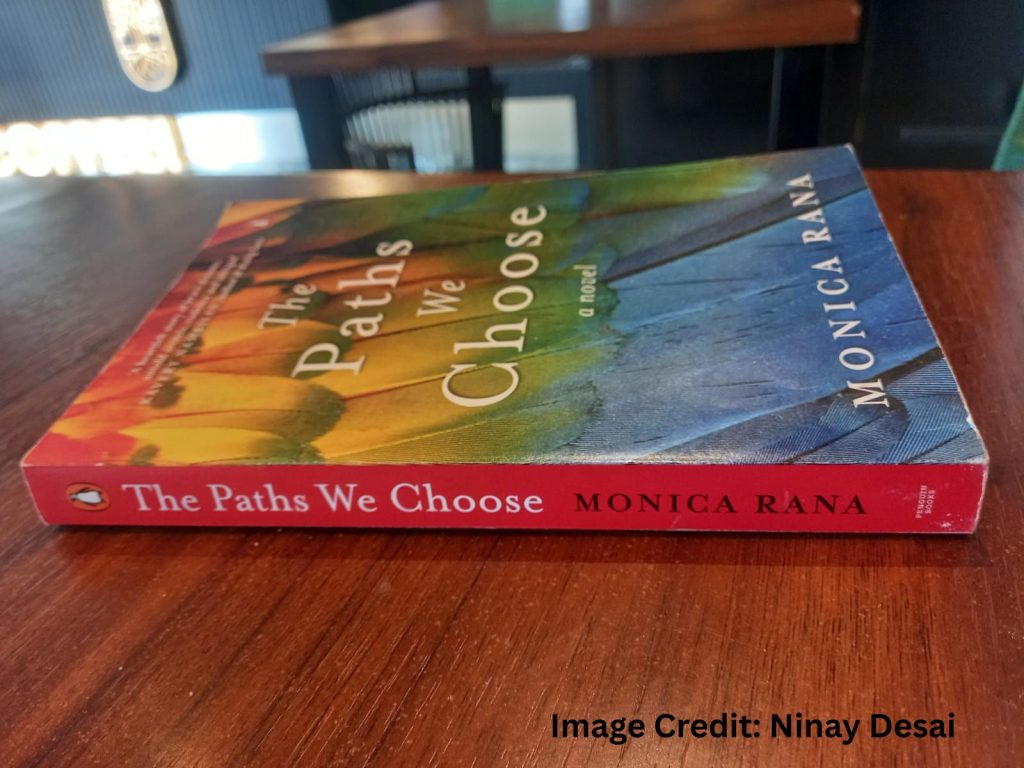
Here I will also, as usual, echo the thoughtful tone of reviewers from book-centric blogs like TamedByTheFox, where literary engagement and honest critique are celebrated by former broadcast journalist Ninay Desai.
It took Monica well over a decade to complete the book. She carved out one or two hours on weekends when possible and admitted it took discipline. She adds, at times, stubbornness too…to see it through. The novel’s structure and pacing reflect that long-term commitment; readers and reviewers alike often remark on how carefully each thematic layer is woven into the next.
Choosing the Genre and Writing Style
Mahima: Why did you choose this genre for your debut?
Monica: I love fiction, and literary fiction was always going to be my genre. Writing a full-length novel while working full time and raising a young family was not easy. But the challenge was rewarding. I wanted to write something that wasn’t just a plot — that explored nuance, identity, and change.
In reviews reminiscent of those one might read on GOOD READS critic Ananya Atri highlights that the novel doesn’t rush. Instead, it invites readers to reflect on each character’s inner life. A hallmark of literary fiction that many feel is rare in debut novels.
What Makes This Novel Special
Mahima: If someone else had written this book, why should people read it?
Monica: Though the novel is fictional, it is a coming-of-age story set against real socio-economic and political challenges. These issues remain relevant today, and I hope the book informs readers, while also making them think long after they’ve finished reading.
I closely observed that this is where the book stands apart. Reviewers note that the narrative rewards readers who stay with it…. the kind of story that lingers. One blog might describe it as a layered journey through personal and cultural transformation and another praises its quiet insistence on truth and empathy. This is literature that invites introspection long after the final page.
Reading Culture and Attention Spans
Mahima: Many feel today’s young people are losing interest in books. What are your thoughts?
Monica: There are few experiences like reading – maybe travel, that can teach you about the world in an immersive way. Walking in the footsteps of a well-drawn character opens you to empathy and understanding. To keep the culture of books alive, adults must read, libraries must thrive, and reading spaces must be nurtured.
Reviewers who cherish books for their depth often echo Monica’s sentiment: literature fosters empathy and patience….qualities that reel-based, quick-consumption media sometimes overlook. It’s not about rejecting reels or short attention spans; it’s about preserving spaces where deep engagement with stories can still occur.
Monica On AI and Originality in The Book World
Mahima: Many authors are using AI today. What’s your view on that?
Monica: AI is a powerful tool for research and assistance in some writing tasks. But a novel is soul work! It comes from lived experience and real emotion. Even if AI becomes sophisticated enough to mimic style, I believe humans will always crave stories that come from the heart.
Monica’s perspective bridges pragmatism and artistry. She acknowledges AI without diminishing the craft of human narrative. Her stance reflects something many thoughtful reviewers emphasize: technology can complement, but it doesn’t replace the emotional resonance of lived human storytelling.
Additional Thoughts on the Writing Life
Monica added that writing has taught her patience. And that every draft, revision and rejection carries its own lesson. She believes that stories succeed when writers are willing to look fearlessly at their own experiences and shape them into universals.
In closing, what makes this novel memorable isn’t just its plot but its honesty. Like many thoughtful book discussions on platforms, readers who invest in the story often find themselves changed by it. Not because it offers flashy twists, but because it reflects human complexity with precision and care.
About Monica Rana: She was raised in Kathmandu, Nepal and later studied at Harvard University. After graduating, she worked in the banking sector in the UK. During her time at Harvard, she pursued creative writing, took several writing courses, and received three awards for short fiction, including the Edward Eager Prize and the Cyrilly Abels Prize.