

Pregnancy is often spoken about as a biological journey. But science increasingly shows that it is also a delicate immunological balancing act. While most fertility discussions focus on hormones, egg quality, sperm health or the uterus, a growing body of research highlights another crucial player — the maternal immune system. Why does the body accept a baby that is genetically half “foreign”? Why do some healthy embryos fail to implant even after IVF? And why do many couples still hear the term “unexplained infertility” despite undergoing multiple tests?
Today we are in talks with Dr. Mugdha M. Raut and Dr. Mohan Raut – the only two clinical reproductive immunologists in India certified by the American Society. Speaking to these Founders of Dr. Raut’s Centre for Reproductive Immunology, The Think Pot finds out how the immune system influences conception, implantation, miscarriage and IVF outcomes.
Drawing on real clinical experiences and decades of research, the doctors explain to the Founder and Senior Journalist, Mahima Sharma how immune tolerance protects pregnancy, why some pregnancies fail despite normal reports, etc. She also shared why in certain cases infertility had no explanation. Their work has already helped over 4,000 couples facing recurrent miscarriages, IVF failures and unexplained infertility, with a success rate of around 75%.
This exclusive conversation on Visionary Voices sheds light on a dimension of fertility that remains largely under-discussed but could transform how many couples’ approach pregnancy and reproductive care.
Doctor, people say pregnancy is not just about forming a baby in the womb. What role does the body’s protection system play in it?
Pregnancy is far more complex than simply forming a baby in the womb. Many systems of the body work together to support the baby’s growth for nine months and one of the most important among them is the immune system.
Normally, the immune system protects us from invaders such as bacteria, viruses or mismatched transplanted tissues. Logically, it should also attack a pregnancy because the embryo is immunologically different from the mother — about 50% different and sometimes even more in donor egg cases.
However, pregnancy survives because the immune system has a second arm known as immune tolerance. While the defensive arm fights harmful invaders, the tolerance arm protects certain important tissues, including pregnancy.
When the embryo enters the uterus, whether naturally or through IVF, it sends signals to the mother’s immune system. These signals trigger the production of blocking antibodies and specialized protective cells that calm immune reactions and prevent rejection. If these protective mechanisms do not develop properly, the immune system may attack the pregnancy, leading to implantation failure or miscarriage.
We once treated a couple from Hyderabad who had experienced five miscarriages in six weeks despite normal medical reports. Immunological testing revealed alloimmune rejection of pregnancy. After undergoing the ImmuLIT® procedure, they conceived naturally and delivered a healthy baby boy.
The baby has blood from both mother and father. Why doesn’t the mother’s body treat it as “foreign element” towards rejection?
A baby carries genetic material from both parents — roughly 50% from the mother and 50% from the father. From an immunological perspective, this makes the pregnancy partially foreign to the mother’s body. Under normal circumstances, the immune system rejects anything that is immunologically different. Therefore, in theory, pregnancy should trigger a rejection reaction.
But in healthy pregnancies, special immune mechanisms prevent this. The mother’s body produces protective antibodies and T-regulatory cells, which help the immune system tolerate the developing baby rather than attack it. When these protective mechanisms fail, the immune system may react against the pregnancy. This reaction can stop the embryo from implanting or can lead to miscarriage after conception.
One of our patients had suffered 15 miscarriages. Each pregnancy initially formed but stopped growing due to immunological rejection. After detailed immunological testing, we diagnosed the problem and treated her using the ImmuLIT® protocol. Today, the couple has a healthy daughter.
Can repeated miscarriages happen because the immune system is too strong?
People often misunderstand repeated miscarriages as a problem of a “strong” or “weak” immune system. In reality, pregnancy requires balance within the immune system.
The immune system has two main arms. The first is the destructive arm that protects the body by attacking harmful invaders. The second is the tolerance arm, which protects beneficial or essential elements such as the body’s own tissues, healthy gut bacteria and pregnancy.
When this balance is disturbed and the tolerance arm becomes insufficient. The destructive arm may mistakenly attack the pregnancy, treating it as foreign.
We once treated a patient with five unexplained miscarriages. She was earlier advised to consider surrogacy because her womb was believed to be unable to hold a pregnancy. However, immunological tests revealed a lack of protective antibodies. After receiving appropriate immunological treatment, including the ImmuLIT® procedure, she successfully delivered her own child.
If IVF embryos are healthy, can pregnancy still fail because the body rejects them?
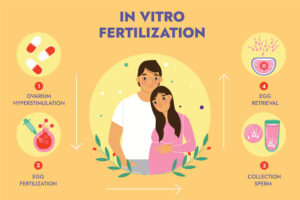
In IVF treatment, doctors carefully evaluate embroys before transfer. Doctors assess embryo quality through morphological grading under a microscope and sometimes through Pre-implantation Genetic Testing (PGT) to ensure the embryo is genetically normal. Despite these precautions, even a healthy embryo must interact successfully with the mother’s immune system.
Normally, the immune system forms protective antibodies and cells that allow the embryo to implant and grow. But when these mechanisms are deficient, implantation may fail or pregnancy growth may stop shortly after implantation.
We treated a couple who had experienced five IVF failures. They had tried their own embryos, donor eggs, donor embryos and even genetically tested embryos. Yet implantation never succeeded. Immunological testing identified the underlying problem. After undergoing the ImmuLIT® procedure, the woman conceived naturally and delivered a healthy baby boy.
Why don’t routine fertility tests detect immune causes of infertility?
Standard fertility tests focus on the most common causes of infertility. These include ovulation problems, sperm abnormalities, blocked fallopian tubes, uterine conditions and hormonal इश्यूज। However, even after thorough testing, a significant number of couples receive completely normal reports yet still cannot conceive.
In such situations, the underlying cause may be immunological, which routine fertility tests do not detect. Specialized reproductive immunology testing is needed to identify issues such as alloimmune rejection.
Similarly, nearly 50% of couples with recurrent miscarriages are told their condition is “unexplained.” In many of these cases, the immune system may be the hidden factor.
For example, one couple came to us after six years of infertility despite normal reports. They had been advised IVF but were hesitant. Immunological tests revealed an immune imbalance. After treatment with ImmuLIT®, they conceived naturally.
Is “unexplained infertility” really unexplained?
In many cases, unexplained infertility simply means that only the common causes have been tested. Typically, doctors evaluate genetic factors, uterine structure, sperm quality, infections, hormones and clotting disorders. These tests account for roughly 40% of known causes of infertility. However, a major factor — alloimmune rejection of pregnancy — often remains untested.
A couple from Mumbai had been diagnosed with unexplained infertility and had even started IVF treatment with eight embryos frozen. Before proceeding, they underwent immunological testing at our centre. The tests revealed alloimmune rejection. After the ImmuLIT® procedure and immunomodulatory medicines, they conceived naturally the following month and are now expecting their baby.
Why is immune acceptance crucial in the early weeks of pregnancy?
The earliest stages of pregnancy are critical. The embryo must first implant into the uterine lining and then begin developing normally.
Because the embryo is genetically different from the mother, the immune system must learn to recognize and tolerate it. This happens through complex interactions involving blocking antibodies and T-regulatory cells.
If these protective mechanisms do not form properly, the immune system may attack the pregnancy. When this occurs very early, it may appear as infertility or repeated IVF failure. If it occurs later, it can lead to miscarriage.
We treated a couple who had experienced four miscarriages after IVF pregnancies. Once their immune imbalance was identified and treated with ImmuLIT®, their next IVF pregnancy continued successfully and resulted in the birth of twins.

Can an overactive immune response stop implantation even when reports appear normal?
Yes Mahima, it can. The immune system must maintain a balance between immune resistance and immune tolerance. Resistance protects against infections, while tolerance protects the body’s own tissues and pregnancy.
If tolerance is insufficient, the resistance arm may dominate and attack pregnancy tissues, even when general laboratory reports appear normal. This is why standard lab reports may not reflect problems from a reproductive immunology perspective.
We once treated a couple with unexplained infertility and four IVF failures. Their immunological tests revealed alloimmune rejection. After undergoing ImmuLIT®, they conceived naturally within two months and recently delivered a healthy baby girl.
How does ImmuLIT® help the body support pregnancy?
ImmuLIT® is a specialized lymphocyte immunization therapy designed to improve immune tolerance toward pregnancy.
The treatment uses lymphocytes — a type of white blood cell — taken from the husband’s blood. These cells help stimulate the mother’s immune system to produce protective antibodies and regulatory immune cells.
By strengthening these protective mechanisms, ImmuLIT® helps the body accept pregnancy rather than reject it. This can improve conception rates, prevent implantation failure in IVF and reduce the risk of miscarriage.
At our centre, more than 4,000 couples facing infertility, IVF failures or recurrent miscarriages have undergone this treatment, with a success rate of around 75%. The procedure is performed once and is followed by individualized immunomodulatory medications to support pregnancy.
Should immune testing become routine after repeated miscarriages or IVF failures?
In cases of recurrent miscarriages or repeated IVF failures, especially when routine tests appear normal, evaluating the immune system can be extremely valuable.
Pregnancy is not only a reproductive event but also an immunological event. For certain patients, implantation failure or pregnancy loss may result from an underlying alloimmune reaction.
Over the years, our centre has treated thousands of couples facing these challenges. In one case, a couple from Hyderabad had multiple IVF failures despite transferring good quality embryos. After immunological evaluation and treatment with ImmuLIT® before their next embryo transfer, they achieved a healthy pregnancy.
In another case, a Mumbai couple with repeated pregnancy losses had been told their chances of having their own biological child were extremely low. Further investigation revealed an immunological factor and with timely intervention their pregnancy progressed smoothly and resulted in the birth of a healthy baby.
These experiences raise an important question: if immunological evaluation is introduced earlier – perhaps after two unexplained miscarriages or IVF failures – could many couples avoid years of emotional, financial and physical stress?
As reproductive medicine evolves, integrating reproductive immunology into fertility care may help move treatment toward a more personalized and comprehensive approach.
The Think Pot Alert: Please strictly avoid any random diet plans or influencer advice during your pregnancy journey. Speak to your doctor in tandem with qualified nutritionist only, who can advise you proper meals as per your body type and immunity situation.
Standard Disclaimer: The views, claims and information shared in this interview are based on the research, clinical experience and opinions of Dr. Mugdha M. Raut and Dr. Mohan Raut. The Think Pot presents this discussion for informational purposes only. Readers are advised to exercise their own discretion, do fact check and seek qualified medical advice before making any decisions regarding diagnosis or treatment.